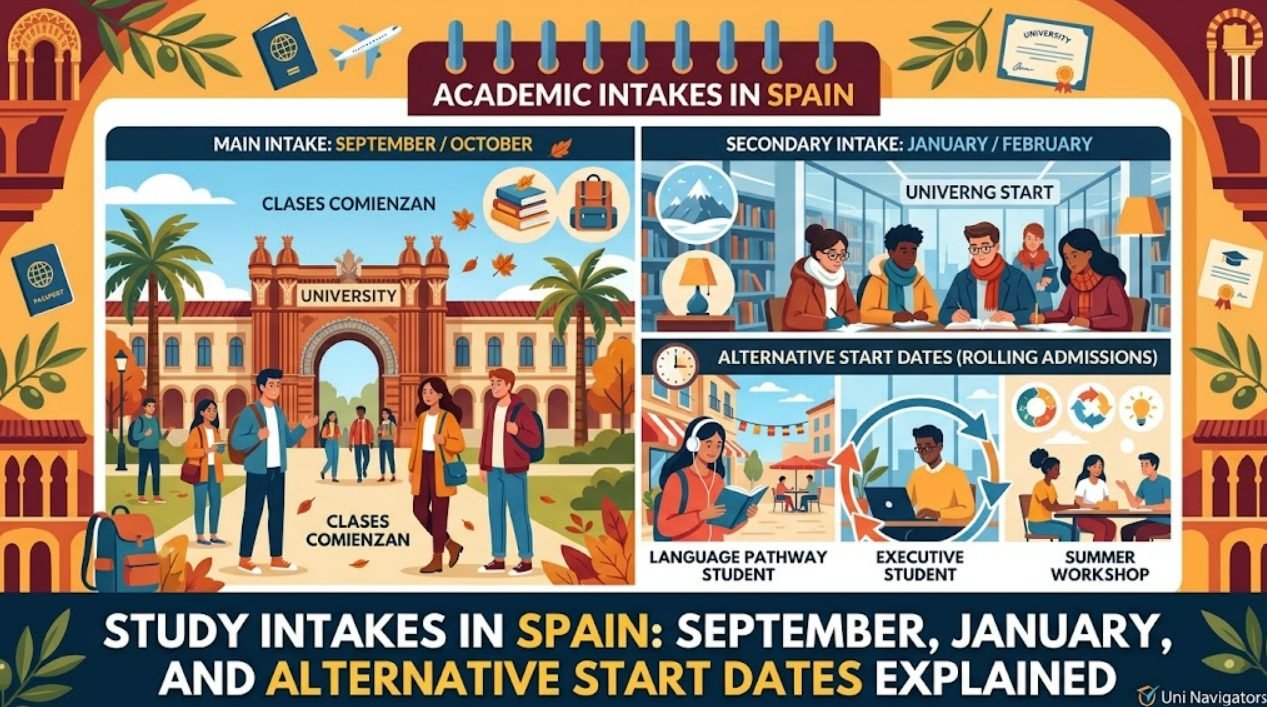
Study Intakes in Australia: February, July and Alternative Start Dates Explained
One of the first decisions international students must make when planning to study in Australia is choosing the right intake. Unlike some countries that offer only one annual intake, Australian universities provide multiple opportunities to begin your studies throughout the year.
Understanding the different intake periods can help you plan your university applications, prepare your student visa, arrange accommodation, and ensure a smooth transition to life in Australia.
Whether you are applying for an undergraduate degree, postgraduate programme, diploma, foundation course, or English language programme, selecting the right intake can significantly impact your academic experience and future opportunities.
This guide explains Australia's major study intakes, their advantages, application timelines, and how to decide which intake is best for you.
What Are University Intakes?
An intake refers to the period during which universities admit new students and begin academic programmes.
Different intakes allow students to:
- Start studies at various times of the year
- Avoid long waiting periods
- Access a wider range of courses
- Better align education plans with personal circumstances
Australian universities generally operate on a semester system, with the majority of programmes beginning in either February or July.
Main Intakes in Australia
Australia typically offers three study intakes:
February Intake (Semester 1)
Application Period
Applications are generally submitted between August and December of the previous year.
Course Availability
This is the largest and most popular intake.
Most universities offer:
- Undergraduate programmes
- Master's degrees
- Research programmes
- Foundation courses
- Diploma programmes
Advantages
- Largest number of course options
- Greater scholarship availability
- More accommodation choices
- Larger student orientation programmes
- Better access to campus activities and student societies
Best For
Students who complete their previous studies by the end of the calendar year and want maximum course availability.
July Intake (Semester 2)
Application Period
Applications are generally submitted between January and May.
Course Availability
Many universities offer a wide range of programmes during the July intake, although availability may be slightly lower than February.
Commonly available courses include:
- Business
- Engineering
- Information Technology
- Education
- Health Sciences
- Selected postgraduate programmes
Advantages
- Excellent alternative for students who miss the February intake
- Reduced waiting time before starting studies
- Good scholarship opportunities
- Strong course availability at many institutions
Best For
Students needing additional time for applications, English language tests, visa processing, or academic preparation.
Alternative Intakes (September, October and November)
Some Australian institutions offer additional intakes throughout the year.
These are more common at:
- Private colleges
- Vocational Education and Training (VET) providers
- Pathway institutions
- English language schools
- Certain postgraduate programmes
Advantages
- Greater flexibility
- Shorter waiting periods
- Multiple entry opportunities
Considerations
- Limited course availability
- Fewer scholarship opportunities
- Not available at every university
Students should verify intake options directly with their chosen institution.
Why February Is the Most Popular Intake
The February intake is often considered the primary academic intake in Australia.
Reasons include:
Maximum Programme Availability
Almost every university programme is open to new students.
More Scholarships
Many university scholarships are aligned with the start of the academic year.
Stronger Campus Experience
Students benefit from:
- Orientation activities
- Freshers' events
- Student clubs and societies
- Networking opportunities
Easier Academic Progression
Starting at the beginning of the academic year allows students to follow the standard programme structure.
Should You Wait for February or Apply for July?
This is one of the most common questions international students ask.
The answer depends on your circumstances.
Consider the July intake if:
- You have already missed February deadlines
- You need more time to improve English language scores
- You are waiting for academic results
- You require additional visa preparation time
Waiting an entire year for February may not always be necessary if your desired programme is available in July.
Factors to Consider When Choosing an Intake
Course Availability
Not every programme is available in every intake.
Before making a decision:
- Check university websites
- Confirm programme availability
- Review entry requirements
Course availability should always be your first consideration.
Scholarship Opportunities
Many scholarship programmes align with major intakes.
Students applying for February may find:
- More scholarship options
- Larger funding pools
- Additional merit-based awards
However, many universities also provide scholarships for July applicants.
Visa Processing Time
Student visa processing times can vary.
Choose an intake that allows sufficient time to:
- Receive your offer letter
- Accept admission
- Obtain your Confirmation of Enrolment (CoE)
- Prepare financial documents
- Submit your visa application
Applying too late can create unnecessary stress.
Academic Preparation
Students should ensure they are fully prepared before beginning university studies.
Additional preparation time may be useful for:
- English language improvement
- Academic skills development
- Financial planning
- Scholarship applications
Starting when you are ready is often more important than starting as quickly as possible.
Accommodation Availability
Accommodation options are often more competitive during major intakes.
Students should begin arranging housing as soon as they receive their university offer.
This is especially important in:
- Sydney
- Melbourne
- Brisbane
Early planning increases your chances of securing suitable accommodation.
Recommended Application Timeline
For February Intake
April – August (Previous Year)
- Research universities
- Choose courses
- Prepare for English language tests
August – November
- Submit applications
- Apply for scholarships
October – December
- Receive offers
- Accept admission
- Pay tuition deposits
November – January
- Apply for student visa
- Arrange accommodation
- Book flights
February
- Arrive in Australia
- Attend orientation
- Begin classes
For July Intake
October – January
- Research programmes
- Prepare application documents
January – March
- Submit university applications
March – May
- Accept offers
- Apply for scholarships
- Arrange finances
April – June
- Submit student visa application
- Organise accommodation
July
- Travel to Australia and commence studies
Courses with Flexible Start Dates
Certain programmes may offer multiple intakes throughout the year.
These often include:
English Language Courses
English language centres frequently offer monthly or rolling intakes.
Vocational Education and Training (VET)
Many VET providers offer several start dates annually.
Foundation Programmes
Designed for students who need additional preparation before entering university.
MBA and Business Programmes
Some institutions offer multiple intakes to accommodate working professionals and international students.
Common Mistakes Students Make When Choosing an Intake
Avoid these common errors:
Focusing Only on Timing
Students should prioritise programme quality and suitability rather than simply choosing the earliest intake.
Ignoring Scholarship Deadlines
Many students miss valuable funding opportunities by applying too late.
Leaving Visa Applications Until the Last Minute
Late visa applications can delay travel plans.
Not Checking Course Availability
Always verify that your desired programme is available for your chosen intake.
Delaying Accommodation Arrangements
Popular student accommodation can fill quickly during major intakes.
Which Intake Is Best for International Students?
There is no single best intake for every student.
February Intake Is Ideal If You Want:
- Maximum course options
- Greater scholarship availability
- Full campus experience
- Traditional academic progression
July Intake Is Ideal If You Need:
- Additional preparation time
- Flexibility after missing February deadlines
- Faster entry without waiting a full year
Alternative Intakes Are Ideal If You Want:
- Flexible study start dates
- Pathway or vocational programmes
- Shorter waiting periods
The best intake is the one that aligns with your academic readiness, career goals, financial situation, and preferred programme.
Final Thoughts
Australia's multiple study intakes provide international students with valuable flexibility and opportunities throughout the year. While the February intake remains the most popular due to its extensive course availability and scholarship opportunities, the July intake and alternative start dates can be equally beneficial depending on your circumstances.
The key is to begin planning early, research course availability carefully, understand visa timelines, and submit strong applications well before deadlines.
At Uni Navigators, we help students choose the most suitable Australian universities, understand intake options, prepare successful applications, secure scholarships, and navigate the student visa process. Our experienced advisors provide personalised guidance to help you start your Australian education journey at the right time and with confidence.